A complete guide to the British Shorthair breed
The British Shorthair is one of the most recognisable pedigree cat breeds in the world. With its round face, plush coat and calm temperament, it has become a favourite among cat owners who want a companion that is affectionate without being overly demanding.
In the United Kingdom the breed is exceptionally popular. British Shorthairs account for a large proportion of pedigree kittens registered each year and remain the most common pedigree breed seen at GCCF shows.
I am a GCCF judge of British Shorthairs and breed them under my EzBritz prefix, so I see the breed both in the show hall and in everyday life. A well-bred British Shorthair has a distinctive look and personality that is hard to mistake once you have experienced it.
This guide explains everything you need to know about British Shorthair cats — including their history, temperament, appearance, care needs and what to consider before buying a kitten.
If you want to explore specific topics in more depth, you may also find these guides helpful:
- British Shorthair personality and temperament
- British Shorthair colours explained
- British Shorthair kittens and kitten care
- Buying a British Shorthair kitten
The Famous British Blue Cat
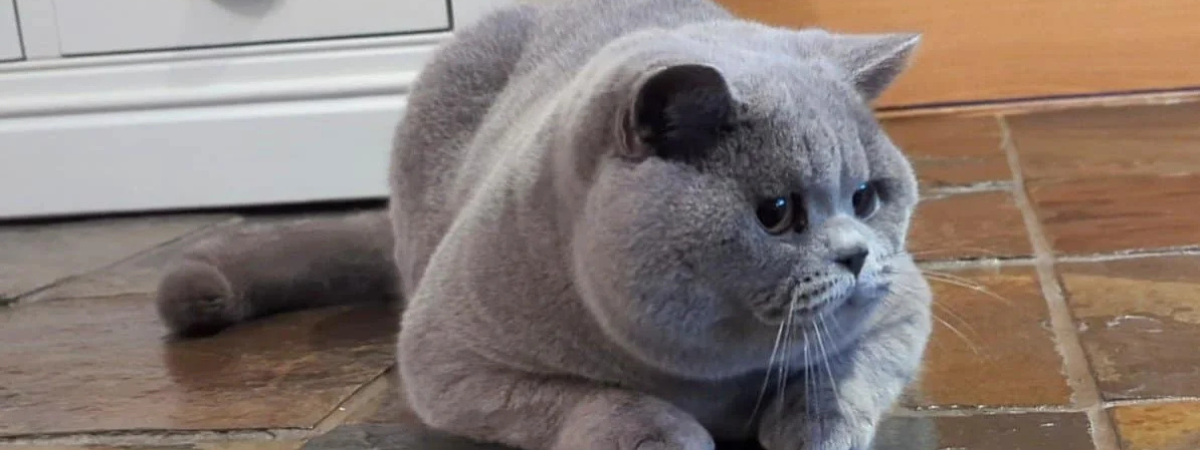
When most people picture a British Shorthair, they imagine the classic British Blue.
This blue-grey variety helped establish the breed’s popularity and remains one of the most recognisable cats in the world. The colour is actually a diluted black pigment that produces the well-known soft blue-grey coat.
Although the British Blue is the best-known variety, the breed actually comes in a huge range of colours and patterns.
Many people are surprised to discover that British Shorthairs can appear in dozens of colour combinations including tabby, tortoiseshell, colourpoint and tipped varieties.
You can see the full range in our British Shorthair colours guide.
What Is a British Shorthair Cat?
The British Shorthair is a medium-to-large cat with a solid, muscular build and a short, dense coat. The breed is famous for its rounded features, particularly the broad head, full cheeks and large round eyes.
They are often described as having a “teddy bear” appearance because of their dense coat and rounded body shape.
At their best they combine:
- a powerful, balanced body
- a thick plush coat
- a calm and steady personality
This combination has made them one of the most popular pedigree cats both in the UK and internationally.
The History of the British Shorthair
The origins of the British Shorthair go back many centuries. Domestic cats were present in Britain long before organised breeding began, and many historians believe cats arrived in the British Isles alongside the Romans.
Over time these early cats adapted to the British climate and environment, developing a sturdy body and thick coat suited to cooler weather.
Selective breeding began in the nineteenth century when early cat fanciers started choosing the best examples of these cats and breeding them together to create a consistent type.
The breed appeared at the famous Crystal Palace cat shows in the late 1800s and quickly became popular among early cat enthusiasts.
Like many pedigree breeds, the British Shorthair population declined during the World Wars. Careful breeding programmes later restored the breed, eventually producing the strong, rounded cats we see today.
British Shorthair Appearance
One of the defining features of the British Shorthair is its balanced and rounded appearance.
When judging the breed, the overall impression should be of a compact, powerful cat with a broad chest and strong body.
Typical features include:
- A large, rounded head with full cheeks
- Large round eyes set well apart
- A short nose and firm chin
- A broad chest and muscular body
- Short strong legs with rounded paws
- A thick tail with a rounded tip
The coat is a particularly distinctive feature of the breed. British Shorthairs have an extremely dense coat that feels plush or crisp to the touch.
Unlike many short-haired cats, the coat stands slightly away from the body, giving the breed its famous “teddy bear” appearance.
Mature males often develop pronounced cheeks which further enhance the rounded look of the head.
How Big Do British Shorthair Cats Get?
British Shorthairs are solid cats that feel heavier than they look.
Typical adult weights are:
- Males: around 4–7.7 kg
- Females: around 3–5.4 kg
The breed is also known for its slow maturity. British Shorthairs may take up to three years to reach their full physical development.
Because of this slower growth, the breed often retains a playful and kitten-like personality for longer than many other cats.
British Shorthair Personality and Temperament
One of the reasons British Shorthairs are so popular is their calm and dependable temperament.
The breed is typically:
- patient
- easygoing
- affectionate without being clingy
- tolerant of children and other pets
British Shorthairs form strong bonds with their families but are rarely demanding or noisy.
From my own experience, British Shorthairs tend to behave more like quiet observers than attention-seeking companions. They enjoy being near their owners and will often follow people from room to room, but they rarely insist on constant interaction.
Many British Shorthairs prefer sitting beside their owners rather than sitting on laps.
If you would like to understand this aspect of the breed in more detail, see our British Shorthair personality and temperament guide.
Are British Shorthair Cats Good Pets?
For many households the British Shorthair makes an excellent pet.
Their calm temperament allows them to adapt well to different types of homes. They are often very patient with children and usually get along well with other pets when introductions are handled properly.
British Shorthairs enjoy human company but are usually happy to relax quietly nearby rather than demanding constant attention.
Owners often appreciate this balance between companionship and independence.
British Shorthair Colours
Although the blue-grey variety is the best known, British Shorthairs come in a wide range of colours and patterns.
Common colour groups include:
- Blue
- Black
- White
- Chocolate
- Lilac
- Cream
- Cinnamon
- Tabby patterns
- Tortoiseshell
- Colourpoint varieties
Each colour group has its own appeal and different breeders often specialise in particular colour lines.
If you would like to explore this topic further, take a look at our complete British Shorthair colours guide.
British Shorthair Lifespan and Health
British Shorthairs are generally considered a robust and long-lived breed.
Many cats live between 14 and 20 years with proper care.
Like all breeds, they can occasionally develop certain inherited health conditions. Responsible breeding and modern DNA testing have helped reduce many of these issues.
Maintaining a healthy weight is particularly important for this breed because British Shorthairs can gain weight easily if overfed.
Regular play and controlled feeding help keep them healthy throughout their lives.
You can read more about common issues in our British Shorthair health guide.
British Shorthair Kittens
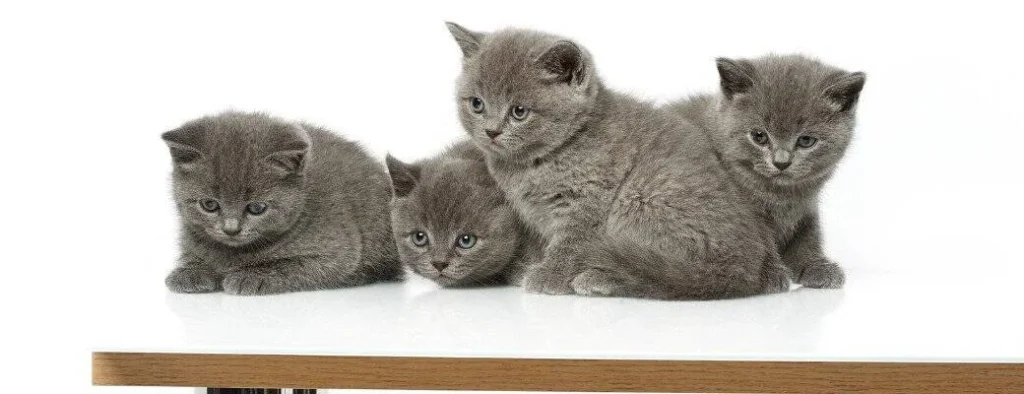
British Shorthair kittens are famous for their teddy-bear appearance. Their round faces, large eyes and dense coats make them incredibly appealing.
Kittens are usually playful and curious, although many show the breed’s calm temperament even at a young age.
Because the breed develops slowly, kittens should generally remain on kitten food for the first year while their bones and muscles continue developing.
If you are raising a young cat, see our British Shorthair kitten care guide.
Buying a British Shorthair Kitten
If you are thinking about buying a British Shorthair kitten, choosing a responsible breeder is extremely important.
A good breeder should:
- register kittens with a cat registration body such as the GCCF
- carry out appropriate health testing
- raise kittens in a home environment
- provide guidance and documentation for new owners
Because the breed is so popular, there are unfortunately many misleading advertisements online.
Our guide to buying a British Shorthair kitten explains what to look for and the questions you should ask breeders.
Is the British Shorthair the Right Cat for You?
The British Shorthair offers a wonderful balance between companionship and independence.
They enjoy spending time with their owners but are rarely demanding or hyperactive. Their calm temperament makes them particularly suitable for people who want a relaxed and steady companion.
From my perspective as a breeder and judge, the breed remains one of the most reliable and rewarding cats to live with.
A well-bred British Shorthair combines good health, a stable temperament and a distinctive appearance that has made the breed beloved around the world.
Frequently Asked Questions
How long do British Shorthair cats live?
Many British Shorthairs live between 14 and 20 years with good care.
Are British Shorthair cats cuddly?
They are affectionate but often prefer sitting beside their owners rather than constantly sitting on laps.
Why are British Shorthair kittens expensive?
Pedigree kittens are raised by responsible breeders who carry out health testing, provide veterinary care and carefully plan breeding programmes.
Are British Shorthair cats lazy?
They are generally calm rather than lazy. They enjoy play but are usually less hyperactive than some other breeds.
Do British Shorthair cats like to be held?
Many prefer sitting beside their owners rather than being carried, although personalities vary.
Do British Shorthair cats get along with dogs?
Yes. With proper introductions they are usually tolerant of other pets.
Browse British Shorthair colours
The British Shorthair comes in a huge range of colours and patterns. Explore each one in detail:
- British Blue — the classic blue-grey
- Black British Shorthair
- White British Shorthair
- Grey British Shorthair
- Lilac British Shorthair
- Cream British Shorthair
- Red (ginger) British Shorthair
- Silver British Shorthair
- Golden British Shorthair
- Chocolate British Shorthair
- Cinnamon British Shorthair
- Fawn British Shorthair
- Brown British Shorthair
- Tabby British Shorthair
- Tortoiseshell British Shorthair
- Bi-colour British Shorthair
- Colourpoint British Shorthair
- See the full British Shorthair colour guide →
Wondering how the breed compares to others? See our British Shorthair breed comparisons. Ready to welcome one home? Find a British Shorthair breeder in our directory.