
The British Shorthair is famous for its calm and balanced personality. These cats are often described as gentle, independent and quietly affectionate companions who enjoy being around their owners without constantly demanding attention.
For many people, this temperament is exactly what makes the breed so appealing. British Shorthairs tend to fit comfortably into everyday household life. They are patient, adaptable and generally relaxed about the world around them.
As a GCCF judge and breeder, I see British Shorthairs both in the show hall and at home. While individual personalities vary, the breed has a remarkably consistent temperament that many owners quickly fall in love with.
Understanding that personality is important if you are thinking about bringing a British Shorthair into your home.
What Is the Typical British Shorthair Personality?
British Shorthairs are widely known for being calm, confident and emotionally balanced cats. They enjoy companionship but usually express their affection in a quiet and undemanding way.
Typical personality traits include:
- calm and steady temperament
- affectionate but not clingy
- quiet and not very vocal
- patient with children
- tolerant of other pets
- independent but loyal
Many British Shorthairs like to stay close to their owners without constantly sitting on laps. They often follow people from room to room or sit nearby while their owners relax.
Because of this balanced nature, the breed adapts well to a wide range of homes.
If you are new to the breed, you may also want to read the British Shorthair breed guide, which explains the history and characteristics of these cats.
Are British Shorthairs Affectionate?
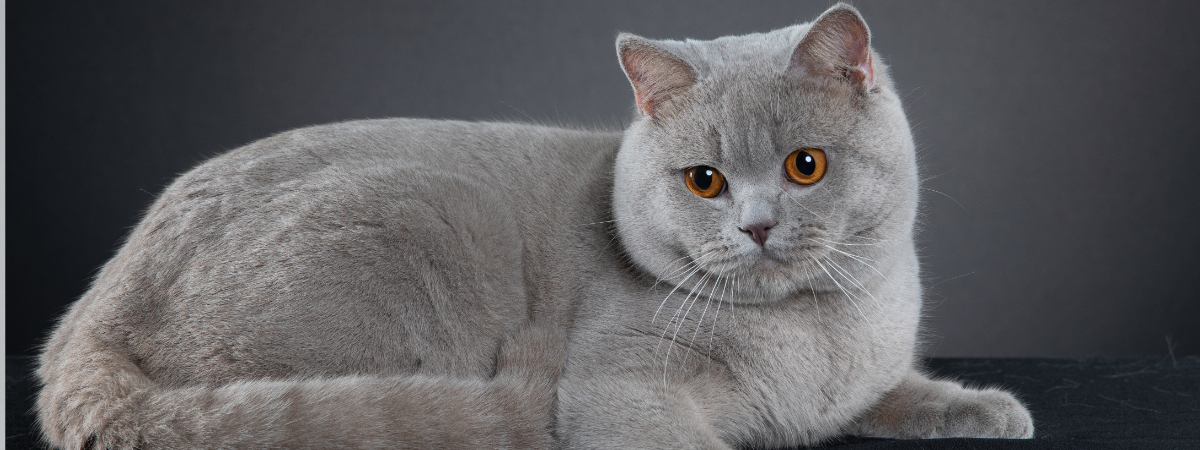
Yes, but they tend to show affection in a subtle way.
British Shorthairs bond strongly with their families and enjoy spending time with them. However, they usually prefer calm companionship rather than constant cuddling.
Instead of demanding attention, many British Shorthairs show affection by:
- sitting beside their owner on the sofa
- quietly following people around the house
- greeting owners when they come home
- sleeping nearby rather than on top of people
This quiet loyalty is one of the most distinctive aspects of the breed’s personality.
Owners often describe them as affectionate companions who enjoy being close without becoming overly dependent.
Are British Shorthairs Lap Cats?
Most British Shorthairs are not traditional lap cats.
While some individuals enjoy sitting on laps, many prefer to sit beside their owners instead. This behaviour reflects the breed’s independent nature.
They often enjoy attention on their own terms and may come for affection when they feel relaxed.
Many owners actually prefer this personality. The cat enjoys company but does not constantly demand physical contact.
Are British Shorthairs Good With Children?
British Shorthairs are generally very tolerant cats, which makes them suitable companions for families.
Their calm temperament means they often cope well with the normal noise and activity of family life.
Many British Shorthairs are:
- patient with respectful children
- tolerant of gentle handling
- relaxed around family activity
As with any breed, children should always be taught how to interact with cats respectfully.
When treated kindly, British Shorthairs usually respond with patience and gentle behaviour.
Do British Shorthairs Get Along With Other Pets?
Most British Shorthairs are quite adaptable and can live happily with other animals when introduced properly.
They often do well with:
- other cats
- cat-friendly dogs
- multi-pet households
Because they are generally confident and not easily stressed, they usually settle into shared homes without much difficulty.
Slow introductions and allowing animals to adjust gradually will always produce the best results.
Energy Levels and Playfulness
British Shorthairs are playful cats, but they are not extremely energetic.
Kittens can be lively and curious, but adults usually develop a much calmer lifestyle.
Most British Shorthairs enjoy:
- short play sessions
- interactive toys
- puzzle toys
- chasing simple rolling toys
They often play enthusiastically for a few minutes before settling down again.
This moderate energy level is one reason the breed adapts well to indoor living.
Intelligence and Behaviour
British Shorthairs are intelligent cats that quickly learn household routines.
Owners often notice their cat recognising daily patterns such as feeding times, bedtime routines and favourite resting spots.
Despite being intelligent, they are rarely destructive or mischievous.
Instead, they tend to observe their surroundings calmly before deciding how to interact with them.
This thoughtful and observant nature gives the breed its well-known reputation for being easy to live with.
How the Personality Changes as They Mature
British Shorthairs develop slowly and their personality changes as they grow.
Kitten stage
Young kittens are often energetic and playful. This stage can surprise new owners who expect an immediately calm cat.
Young adult stage
Between one and two years of age many begin to settle into a calmer routine.
Mature adult stage
Fully mature British Shorthairs often become extremely relaxed companions who enjoy predictable daily routines.
This slow development is typical of the breed and contributes to their reputation as steady and dependable pets.
Is a British Shorthair the Right Cat for You?
The British Shorthair personality suits many different households.
This breed may be ideal if you want a cat that is:
- calm and relaxed
- affectionate without being demanding
- tolerant of family life
- easy to live with
However, people expecting an extremely vocal or highly energetic cat may find the breed more reserved than they expected.
If you are thinking about getting one, our guide to buying a British Shorthair kitten explains what to look for when choosing a breeder.
British Shorthair Temperament
The British Shorthair temperament is one of the most consistently reliable of any pedigree breed. These cats are neither highly strung nor excessively demanding. They tend to take life at their own steady pace, which makes them easy companions for a wide variety of households.
In the show hall, British Shorthairs are known for handling the bustle of a busy environment with composure. They sit calmly on the judging table, tolerate handling from strangers and are rarely rattled by unexpected noises. This same steadiness carries through into everyday home life.
The temperament is best described as self-possessed. A British Shorthair is confident without being bold, affectionate without being clingy, and relaxed without being completely disengaged. They are interested in what is happening around them but rarely feel the need to insert themselves into every situation. The GCCF, which registers more British Shorthairs than any other breed in the UK, describes their temperament as “patient, tolerant and adaptable” — a description that any owner of the breed will recognise immediately. You can read the full GCCF British breed profile for more detail on the official standard.
This temperament does not arrive fully formed overnight. British Shorthairs are slow to mature, and it usually takes until two to three years of age before the full adult temperament settles. Kittens can be surprisingly lively, and young adults are still finding their feet. Patience in the early months pays dividends as the cat grows into its calm, dependable adult character.
Can British Shorthairs Be Left Alone?
British Shorthairs cope reasonably well with being left alone compared to many other breeds. Their independent streak means they are not prone to the kind of separation anxiety that affects more people-focused breeds such as Siamese or Burmese. For a deeper look at this topic, see our article on British Shorthair independence and being left alone over on Cattylicious.
That said, no cat thrives on being left completely alone for very long periods day after day. If you work full-time and are out of the house for eight or more hours regularly, there are a few things worth considering.
- A second cat can provide company and reduce boredom significantly. British Shorthairs generally settle well with another calm companion of a similar temperament.
- Environmental enrichment matters. Window perches, puzzle feeders and safe toys help keep a British Shorthair occupied when alone.
- A predictable routine helps. British Shorthairs like to know what to expect from their day, and a consistent schedule makes time alone easier for them.
British Shorthairs are certainly not the breed most prone to destructive behaviour when left alone, but they are social animals and benefit from regular company and interaction. If your lifestyle involves long working days, this breed is still a good fit — just ensure their environment keeps them comfortable and engaged while you are out.
Are British Shorthairs Good with Dogs?
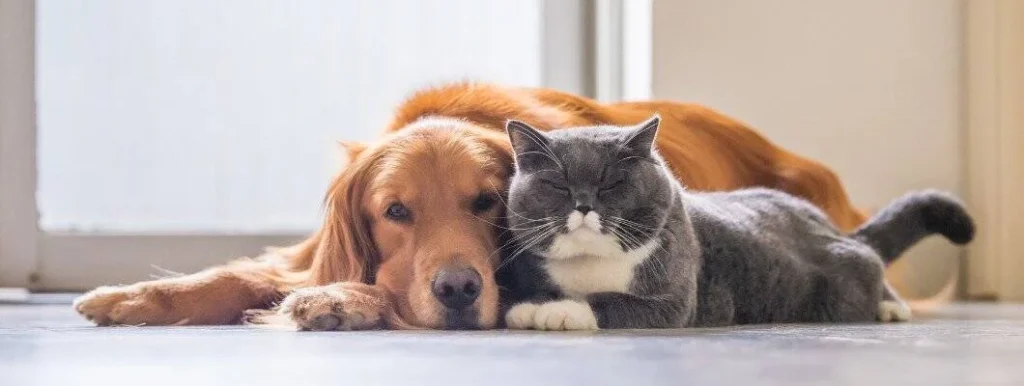
In my experience, British Shorthairs are among the better cat breeds for multi-pet households that include dogs. Their confident, unhurried nature means they are less likely to panic around a dog and more likely to stand their ground calmly rather than bolt — which often helps establish a stable relationship more quickly.
The key factor is always the dog rather than the cat. A calm, cat-friendly dog introduced carefully will usually find that a British Shorthair settles alongside them without much fuss. A boisterous or predatory dog is a different matter entirely, regardless of the cat breed.
For the best outcome when introducing a British Shorthair to a dog:
- Give the cat time to adjust to the dog’s scent before any face-to-face meeting.
- Allow the cat to control the pace of the introduction. Never force interaction.
- Ensure the cat always has access to high spaces or a room the dog cannot enter.
- Keep the dog calm and on a lead during early introductions.
Most British Shorthairs who are introduced to dogs slowly and sensibly settle into a comfortable cohabitation. Some form genuine companionships. It is rarely instant, but with patience it is very achievable.
Male vs Female British Shorthair: Is There a Personality Difference?
This is a question I am asked regularly, both as a judge and a breeder. The honest answer is that individual variation within the breed is much greater than any consistent difference between males and females. A well-bred, well-socialised British Shorthair of either sex will have a calm, stable temperament.
That said, there are some tendencies worth knowing about.
Males tend to be slightly more laid-back and demonstratively affectionate. Entire males can be bolder and more territorial, but neutered males are typically relaxed and sociable cats. Many owners find neutered males particularly good-natured and easy to live with.
Females are often described as a little more independent and self-contained. They can be slightly more reserved than males, though this varies enormously between individuals. Queens — un-neutered females — can be more territorial and vocal when in season, but neutered females settle into a calm and reliable routine.
If you are choosing between a male and a female British Shorthair kitten, the most important things are the temperament of the individual kitten, the quality of its socialisation, and the reputation of the breeder. Sex is a secondary consideration at best. Both make wonderful companions when they come from a good home and are well handled from birth.
Frequently Asked Questions
Are British Shorthair cats friendly?
Yes. They are usually calm and friendly with their families, although they may be slightly reserved with strangers at first.
Do British Shorthairs like cuddles?
They enjoy affection but often prefer sitting beside their owners rather than constantly sitting on laps.
Are British Shorthairs lazy?
They are generally relaxed rather than lazy. Short daily play sessions help keep them active and healthy.
Are British Shorthairs vocal?
No. Compared with many breeds they are relatively quiet and not very talkative.
Are British Shorthairs good indoor cats?
Yes. Their calm temperament and moderate energy level make them well suited to indoor living.
Do British Shorthairs need a lot of attention?
They enjoy companionship but are usually comfortable spending time alone while their owners are at work.