
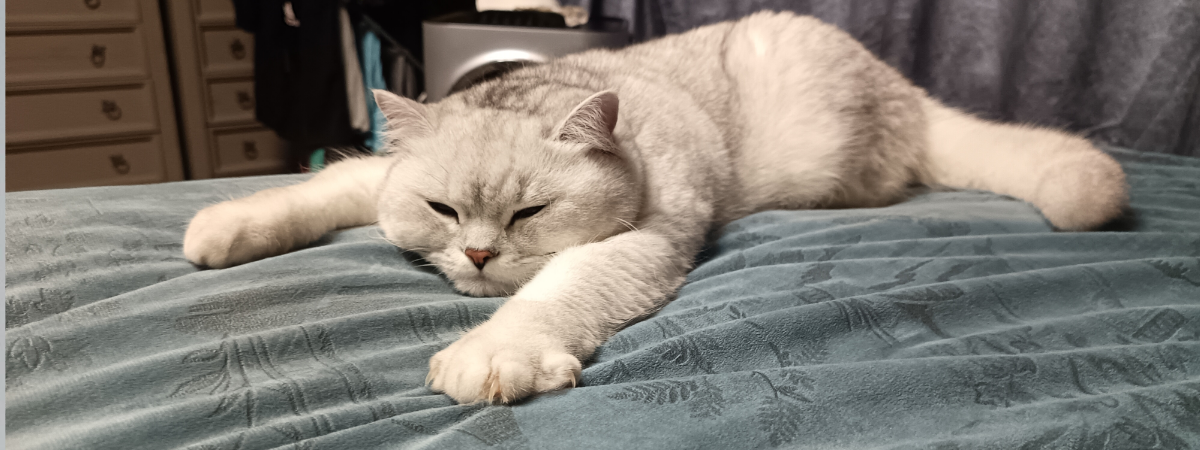
British Shorthairs are generally one of the healthier pedigree cat breeds. With proper care, regular veterinary attention and responsible breeding behind them, many live well into their mid-to-late teens. As a GCCF judge and breeder, I see the difference that good husbandry makes — and the difference that neglecting a few key health issues can make too.
This guide covers everything you need to know about keeping a British Shorthair in good health throughout their life, from the conditions to be aware of before you buy, to the day-to-day care that makes a long and comfortable life possible.
British Shorthair Lifespan: How Long Do They Live?
The British Shorthair lifespan is typically between 14 and 20 years. Many cats reach the higher end of that range with good nutrition, regular veterinary care and a safe indoor environment. This makes the British Shorthair one of the longer-lived pedigree cat breeds — a significant commitment and a genuine long-term companion.
The breed is not unusual in this regard — most pedigree cats with attentive owners live longer than the average domestic cat. What sets British Shorthairs apart is their generally robust constitution. They are a natural breed type rather than an extreme-shaped one, which means they are not burdened with the structural problems that shorten the lives of some other pedigree breeds.
That said, British Shorthair lifespan is not simply a matter of genetics. The biggest factors in how long a British Shorthair lives are:
- Weight management — obesity is the single most preventable cause of early health decline in this breed
- Vaccination and parasite control — kept consistently throughout life, not just in kittenhood
- Dental health — often overlooked but significant over a 15-year lifespan
- Genetic health of the parents — which comes back to the importance of choosing a responsible breeder
A British Shorthair from health-tested parents, kept at a healthy weight, seen by a vet regularly and given a safe environment has every reason to reach a long, comfortable British Shorthair lifespan of 15 years or more.
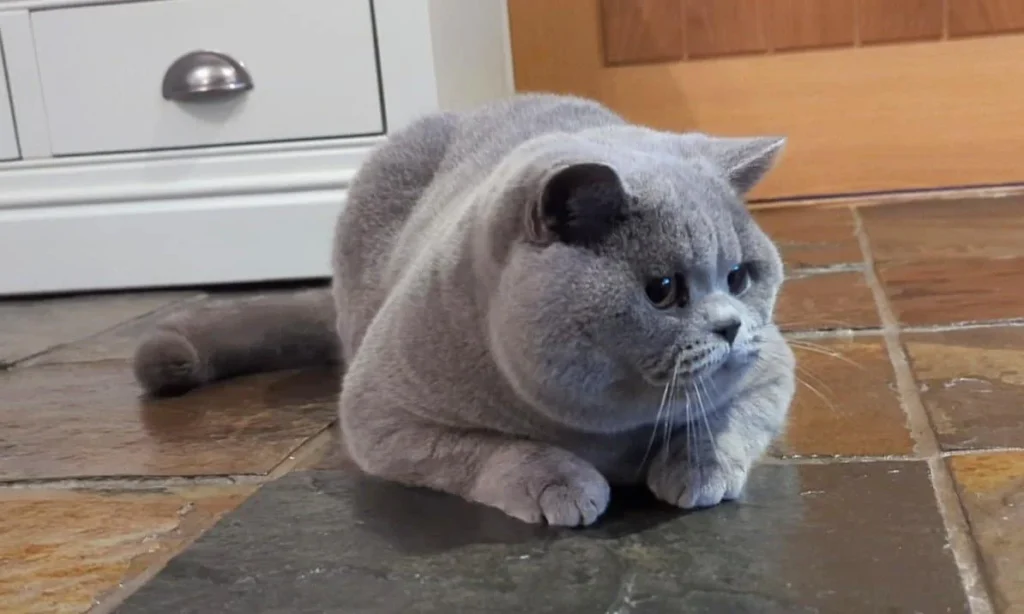
Are British Shorthair Cats Healthy?
On the whole, yes. British Shorthairs are considered a hardy breed with no extreme physical features that cause structural health problems. They are not flat-faced in the way that Persians or Exotic Shorthairs are, so they do not typically suffer from the brachycephalic issues — breathing difficulties, eye problems, skin fold infections — that affect those breeds.
However, like all pedigree cats, they do have some breed-specific health considerations that owners and buyers should be aware of.
For a complete overview of the breed, see our British Shorthair breed guide.
British Shorthair Health Issues to Know About
Hypertrophic Cardiomyopathy (HCM)
HCM is the most significant health concern in British Shorthairs. It is a disease of the heart muscle that causes the walls of the heart to thicken, reducing its efficiency over time. In some cases it progresses slowly with few obvious symptoms; in others it can cause serious problems including heart failure.
HCM runs in families in this breed, but there is no DNA test for it in British Shorthairs. The HCM tests you will see advertised look for Maine Coon and Ragdoll mutations, which are not what causes it here. Some breeders have their cats scanned by a cardiologist. That is not a bad thing to do, but be clear what it tells you: how that cat’s heart looked on the day it was done. HCM is usually late-onset, so a cat scanned clear at two can develop it at five, and a parent’s scan says nothing reliable about what a kitten will inherit.
When buying a British Shorthair kitten, ask the breeder whether heart problems have turned up in the kitten’s family. That is a harder question than asking for a certificate, and the answer tells you more. A breeder who knows their lines will answer it straight; one who cannot, or will not, has told you something either way. The GCCF does not require heart screening to register a British Shorthair, but since 1 March 2025 it has required evidence of a negative PKD test before a kitten can go on the active register.
There is no cure for HCM, but medication can manage symptoms and improve quality of life in affected cats. Many cats with HCM live comfortably for years with appropriate veterinary care.
Polycystic Kidney Disease (PKD)
PKD is an inherited condition in which fluid-filled cysts form on the kidneys, gradually reducing their function over time. It was historically more of a concern in Persians, but has been identified in British Shorthairs too, likely due to the use of Persians in the breed’s reconstruction after the World Wars.
The good news is that a DNA test for PKD is widely available. Responsible breeders test their breeding cats and should be able to provide a clear result — meaning a negative DNA test — for both parents. Unlike HCM, where no such test exists in this breed, a clear DNA result does genuinely mean the cat cannot inherit or pass on that particular variant.
Symptoms of PKD typically appear in middle age and include increased thirst, reduced appetite, weight loss and general lethargy. Regular blood testing at annual vet checks allows early detection and management.
Obesity and Weight Management
This is the health issue I consider most important in British Shorthairs, and the one that owners have the most direct control over.
British Shorthairs have a naturally stocky, muscular build, but they are also a breed prone to weight gain if their food intake is not carefully managed. An overweight British Shorthair is at significantly greater risk of diabetes, joint problems particularly in the hindquarters, urinary tract disease, and a shortened lifespan overall.
The problem is partly the breed’s calm temperament and relatively low activity levels — they do not naturally burn off excess calories the way a more energetic breed would. Combined with the ease with which free-fed dry food leads to overeating, weight gain can creep up on owners who are not paying attention.
A healthy adult British Shorthair should have a visible waist when viewed from above, ribs that can be felt but not seen, and a slight abdominal tuck rather than a hanging belly. If you are unsure whether your cat is a healthy weight, ask your vet to assess their body condition score at their next check-up.
Urinary Tract Health
British Shorthairs, particularly males, can be prone to lower urinary tract problems. These include feline idiopathic cystitis (FIC) — inflammation of the bladder, often stress-related — urinary crystals and blockages, which can become a veterinary emergency in male cats, and chronic kidney disease, which can develop in older cats of most breeds.
Ensuring your cat drinks enough water is one of the most effective ways to support urinary health. Many cats on a dry food diet do not drink enough — adding wet food, using a water fountain or offering multiple water sources around the home all help significantly.
Dental Disease
Dental disease is extremely common in cats of all breeds, and British Shorthairs are no exception. By the time many cats reach ten years of age, significant tartar build-up, gingivitis or periodontal disease has developed if teeth have not been maintained.
The most effective prevention is daily tooth brushing, introduced from kittenhood. This is easier than it sounds when started early and is the single best thing you can do for your cat’s long-term dental health. Dental chews and water additives can supplement brushing but are not a substitute for it. Annual dental checks should be included as a minimum in your vet appointments.
Do British Shorthair Cats Shed?
Yes, British Shorthairs do shed. Despite having a relatively short coat, their dense double coat sheds quite noticeably, particularly during the spring moult when the winter undercoat is lost. During this period owners often notice significantly more hair on furniture, clothing and flooring.
Outside of the seasonal moult, the coat is relatively manageable. Weekly brushing with a slicker brush or a rubber grooming mitt is usually sufficient to remove loose hair and keep the coat in good condition throughout the year. During the spring moult, daily brushing for a few weeks makes a significant difference.
British Shorthairs do not require professional grooming in the way that long-haired breeds do. Their short, dense coat does not tangle or mat. Occasional bathing is possible if introduced gradually from kittenhood, but most British Shorthairs maintain a clean, well-presented coat without it.
Are British Shorthair Cats Hypoallergenic?
No — British Shorthairs are not hypoallergenic. No domestic cat breed is truly hypoallergenic, though some produce lower levels of the protein Fel d 1 that triggers allergic reactions in sensitive people.
The British Shorthair’s dense double coat sheds fairly freely, which can distribute allergens around the home more widely than some breeds. If you or someone in your household has cat allergies, a British Shorthair is not a particularly low-risk choice.
That said, individual cats vary in how much Fel d 1 they produce, and individual people vary in their sensitivity. Some mildly allergic people find they cope well with specific cats even within a breed that is not generally recommended for allergy sufferers. If allergies are a concern, spending time with an adult British Shorthair before committing to buying a kitten is always sensible.
Do British Shorthair Cats Have Breathing Problems?
British Shorthairs are not a brachycephalic breed in the clinical sense, despite having a rounded face. Their nose is short but not flat against the face in the extreme way seen in Persians or Exotic Shorthairs. The GCCF breed standard calls for a short, broad nose with a definite stop — but it specifically does not permit the nose leather to sit above the lower eye line in the way that causes breathing obstruction in flat-faced breeds.
A well-bred British Shorthair should be able to breathe freely, eat comfortably, sleep quietly and exercise without respiratory distress.
If you encounter a British Shorthair that snores heavily, breathes noisily at rest or shows signs of laboured breathing, this may indicate the cat has been bred for an exaggerated flat face outside the breed standard. This is one reason it matters to choose a reputable breeder who registers their cats with the GCCF — responsible breeders breed to a standard that prioritises the cat’s health and function above all else.
Vaccinations and Routine Veterinary Care
British Shorthairs should be vaccinated against the core feline diseases from kittenhood and kept up to date with booster vaccinations throughout their lives. In the UK, this typically covers feline herpesvirus and calicivirus (cat flu), feline panleukopenia (feline enteritis), and feline leukaemia virus (FeLV), particularly for cats with any outdoor access.
Annual health checks — even if boosters are due every three years — give your vet the opportunity to assess weight, dental health, heart sounds and any early signs of systemic disease. Many health problems in older cats are caught earlier and managed more effectively when there is a habit of regular vet visits throughout the cat’s life. Keeping on top of preventive care is one of the most reliable ways to support a long British Shorthair lifespan.
Neutering is strongly recommended for cats not used in breeding programmes. Neutered British Shorthairs tend to be calmer, are not subject to the health risks associated with reproductive cycling or entire-male behaviour, and live statistically longer than entire cats.
Indoor Life and Health
British Shorthairs can live as either indoor or outdoor cats, though many breeders and owners keep them indoors for safety reasons. As a pedigree breed, they are a target for theft. They are also not particularly street-smart cats — their calm, trusting temperament means they do not always respond appropriately to traffic or territorial threats from other cats.
From a health perspective, indoor cats face a higher risk of obesity and dental disease due to lower activity levels and calorie-dense diets. Environmental enrichment — window perches, climbing opportunities, interactive play and puzzle feeders — helps keep them mentally stimulated and physically active. Regular play sessions are important for indoor cats and should not be treated as optional.
For more on energy levels and what indoor life looks like for this breed, see our British Shorthair personality and behaviour guide. If you are considering bringing a kitten home, our British Shorthair kittens guide covers everything from first weeks to long-term care.
Signs of Illness in British Shorthair Cats
Cats are instinctively good at masking early signs of illness, which makes knowing what to look for important. Contact your vet promptly if you notice any of the following:
- significant change in appetite or thirst
- unexplained weight loss or weight gain
- changes in litter tray habits — straining, blood, reduced output or excessive urination
- lethargy or reduced activity without obvious cause
- repeated vomiting or loose stools
- difficulty breathing, coughing or wheezing
- any lumps, swellings or wounds
- changes in coat condition
British Shorthairs are generally stoic cats. By the time one is visibly unwell, the problem has often been developing for some time. Regular observation and a good relationship with your vet make a real difference to long-term outcomes.
Frequently Asked Questions
How long do British Shorthair cats live?
The British Shorthair lifespan is typically between 14 and 20 years. Cats from health-tested parents, kept at a healthy weight and seen regularly by a vet, have every chance of reaching the upper end of that range. This makes the British Shorthair one of the longer-lived pedigree breeds — a genuine long-term commitment to bear in mind before buying.
How much do British Shorthair cats weigh?
Adult males typically weigh between 5 and 8 kg, with females generally between 3.5 and 6 kg. British Shorthairs are a naturally stocky, muscular breed and should feel solid and substantial — but there is a significant difference between a well-muscled cat and an obese one. Your vet can assess body condition score if you are unsure.
How much should a British Shorthair cat eat?
This depends on age, weight, activity level and the type of food you are using. As a general guide, an adult British Shorthair needs around 50–70 kcal per kg of ideal body weight per day. Always follow the feeding guidelines on your chosen food as a starting point, then adjust based on whether your cat is maintaining a healthy weight. British Shorthairs are prone to obesity, so portion control matters — avoid free-feeding dry food.
Do British Shorthair cats shed a lot?
They shed a moderate amount throughout the year, with a more noticeable moult in spring when the winter undercoat is lost. During the spring moult, daily brushing for a few weeks keeps on top of the loose hair. Outside of that period, weekly brushing is usually sufficient. For a breed with a plush double coat, they are reasonably manageable — far less work than a long-haired breed.
Are British Shorthair cats hypoallergenic?
No. No domestic cat breed is truly hypoallergenic, and the British Shorthair is not a low-allergen choice. Their dense double coat sheds freely, which can spread the protein Fel d 1 — the main cat allergen — throughout the home. If allergies are a concern in your household, spend time with an adult British Shorthair before committing to a kitten.
Do British Shorthair cats have health problems?
British Shorthairs are generally a hardy breed, but there are two hereditary conditions buyers should ask about: hypertrophic cardiomyopathy (HCM) and polycystic kidney disease (PKD). PKD has a DNA test, and a clear result stands for life, so ask to see both parents’ certificates. HCM has no DNA test in British Shorthairs and a heart scan only shows how the heart looked on the day, so ask about heart problems in the kitten’s family instead. Outside of these, obesity is the most common preventable health problem in the breed.
Do British Shorthair cats have breathing problems?
A well-bred British Shorthair should breathe freely and quietly. The breed is not brachycephalic in the way that Persians or Exotic Shorthairs are — the GCCF breed standard specifically prohibits the extreme flat face that causes breathing problems in those breeds. If you encounter a British Shorthair that snores heavily or breathes noisily at rest, this may indicate breeding outside the standard. Always buy from a breeder with a GCCF prefix who registers every litter.
How often should a British Shorthair see a vet?
At a minimum, annually — even in years when boosters are not due. Annual checks allow your vet to assess weight, dental health, heart sounds and any early signs of age-related conditions. British Shorthairs are stoic cats and often mask early illness well, so regular vet visits catch problems that might otherwise go unnoticed for months.
Can British Shorthair cats be left alone during the day?
Yes — British Shorthairs are one of the more independent pedigree breeds and generally manage well in a working household. For a full explanation of how the breed copes alone, what helps, and whether a second cat is a good idea, see our British Shorthair personality and behaviour guide.
If you’re thinking about buying a British Shorthair, our guide to finding a reputable breeder covers the questions to ask about health testing.