
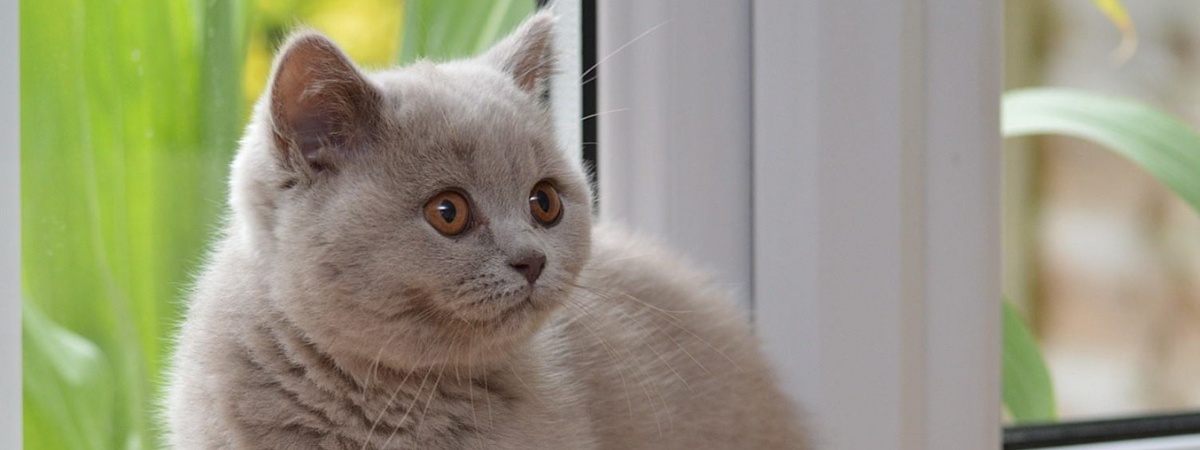
British Shorthair kittens are among the most recognisable and charming kittens in the cat world. With their round faces, dense plush coats and wide copper or golden eyes, they often look like living teddy bears.
But raising a British Shorthair kitten involves much more than enjoying their appearance. These kittens develop slowly compared with many other breeds, and their behaviour and personality change gradually over several years.
Understanding how British Shorthair kittens grow, behave and interact with people helps owners raise a calm, confident adult cat. This guide explains what to expect from British Shorthair kittens, how their personality develops and how to care for them properly.
What Makes British Shorthair Kittens Unique?
British Shorthairs are one of the oldest pedigree cat breeds and are known for their calm temperament and sturdy build. Even as kittens, they often show early signs of the steady personality the breed is famous for.
Typical breed characteristics include:
- calm and easygoing temperament
- quiet voice and low vocalisation
- affectionate but independent nature
- strong bond with their family
- moderate activity levels
These kittens tend to be curious and playful but rarely hyperactive. Many owners notice that even young British Shorthair kittens appear thoughtful and observant compared with more energetic breeds.
As they grow older, these early traits usually develop into the calm, balanced temperament that makes the breed so popular.
British Shorthairs are widely known for being gentle, confident cats that enjoy companionship without constantly demanding attention. Read more about their British Shorthair personality and behaviour.
British Shorthair Kitten Personality
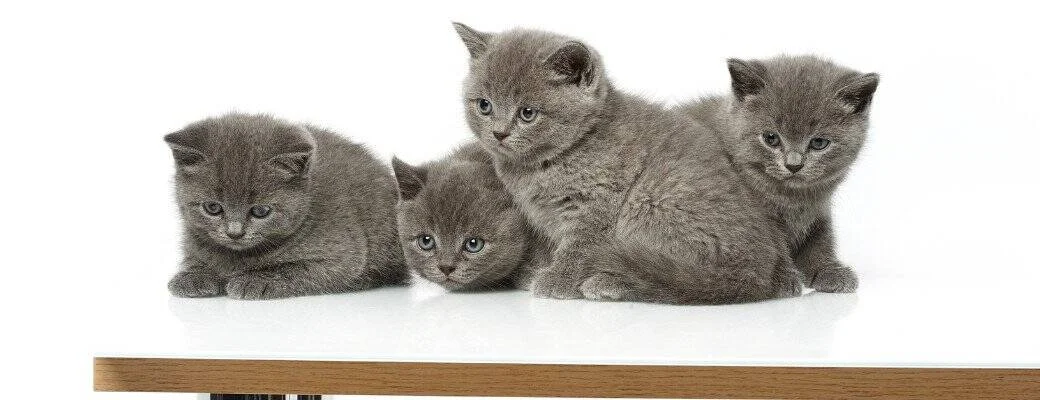
British Shorthair kittens may surprise new owners because they can be more energetic than the relaxed adults many people expect.
During kittenhood they are playful, curious and eager to explore their surroundings. However, their natural temperament usually remains calm compared with many other breeds.
Common personality traits in British Shorthair kittens include:
- quiet curiosity
- gentle playfulness
- strong attachment to people
- independent behaviour
- calm observation of surroundings
These kittens often enjoy exploring their home but are not usually destructive or excessively energetic.
As they grow, their personality gradually settles into the steady temperament typical of the breed.
British Shorthairs are known for being affectionate but not overly clingy. Many prefer sitting beside their owners rather than constantly sitting on laps.
Growth and Development Stages
British Shorthairs mature more slowly than many cat breeds. This slower development affects both their physical growth and their emotional maturity.
Their development usually follows several stages.
Early kitten stage (0–6 months)
During the first months of life kittens grow rapidly and learn important social skills. They develop coordination, hunting instincts and confidence through play with littermates.
This period is important for socialisation and learning how to interact with humans.
Juvenile stage (6–18 months)
During adolescence British Shorthair kittens become more confident and curious. They continue playing actively but begin developing more independence.
At this stage many kittens start establishing routines within the household.
Young adult stage (18 months – 3 years)
British Shorthairs slowly develop their full physical structure during this period. Their bodies become broader and more muscular, and their personality becomes calmer and more predictable.
Mature adult stage (3+ years)
Once fully mature, British Shorthairs often become extremely relaxed companions. Their personality is typically calm, affectionate and emotionally steady.
This slow development is one reason the breed often appears slightly immature compared with other cats of the same age.
Are British Shorthair Kittens Affectionate?
Yes, but they often show affection differently from more demonstrative breeds.
British Shorthairs usually bond strongly with their owners, but they tend to express affection through quiet companionship rather than constant cuddling.
Signs of affection may include:
- following their owner from room to room
- sitting nearby on furniture
- greeting their owner calmly
- slow blinking and gentle purring
- sleeping close to their favourite person
These behaviours show that the kitten feels secure and comfortable with its family.
Owners sometimes misunderstand the breed because they expect extremely cuddly behaviour. In reality, British Shorthairs often prefer closeness without constant physical contact.
Feeding British Shorthair Kittens
Good nutrition is essential for healthy development.
British Shorthair kittens benefit from a balanced diet that supports steady growth rather than rapid weight gain.
Important feeding guidelines include:
- feed high-quality kitten food
- provide several small meals each day
- ensure constant access to fresh water
- monitor weight and body condition
Because British Shorthairs develop strong muscles and broad bodies, proper nutrition during kittenhood supports healthy bone and muscle growth.
Overfeeding should be avoided because the breed can gain weight easily if their diet is not controlled.
Grooming and Coat Care
One advantage of the British Shorthair is its low-maintenance coat.
Their short, dense fur requires relatively little grooming compared with long-haired breeds. Weekly brushing is usually enough to remove loose hair and maintain coat condition.
Regular grooming also helps kittens become comfortable with handling.
A simple grooming routine should include:
- weekly brushing
- occasional nail trimming
- regular ear checks
- dental care when possible
Introducing these habits early helps prevent stress later in life.
Play and Exercise
Although British Shorthair kittens enjoy play, their energy levels are moderate compared with highly active breeds.
Most kittens prefer short bursts of activity followed by rest.
Typical favourite toys include:
- feather wand toys
- rolling balls
- interactive puzzle toys
- small toy mice
Short play sessions two or three times each day are usually enough to satisfy their activity needs.
Regular play also strengthens the bond between kitten and owner.
Training and Behaviour
British Shorthairs are intelligent cats that quickly learn routines.
Many kittens recognise feeding schedules and daily household patterns. They often respond well to gentle training using rewards such as treats or praise.
Because they are observant and thoughtful, they can learn behaviours such as:
- using scratching posts
- responding to their name
- playing with specific toys
- following simple routines
This intelligence makes them easy companions in most homes.
Unlike some breeds, British Shorthairs are rarely destructive or excessively mischievous.
Are British Shorthair Kittens Good With Children?
British Shorthairs are generally tolerant and patient, which makes them suitable companions for families.
Their calm temperament helps them cope well with normal household noise and activity.
They often:
- tolerate gentle handling
- remain calm during family life
- adapt well to regular routines
However, children should always be taught how to interact with cats respectfully.
When treated kindly, British Shorthair kittens usually become affectionate and loyal family companions.
Living With Other Pets
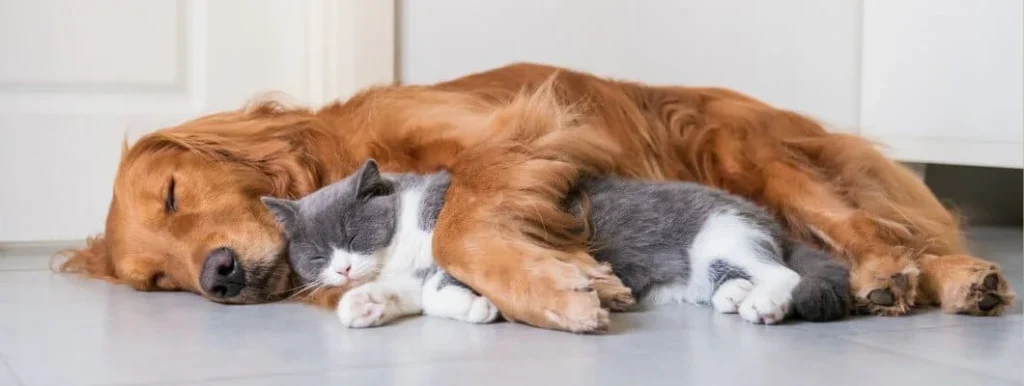
British Shorthairs are adaptable and usually live comfortably with other animals when introductions are done gradually.
They often get along well with:
- other cats
- cat-friendly dogs
- multi-pet households
Because they are generally confident and not easily stressed, they usually adjust well to shared living environments.
Gradual introductions and positive experiences help prevent conflict.
Health and Lifespan
British Shorthairs are generally healthy cats, but like all breeds they can be prone to certain conditions. See our British Shorthair health and care guide for more detail.
Some health concerns associated with the breed include:
- hypertrophic cardiomyopathy
- kidney disease
- urinary tract problems
Regular veterinary check-ups and responsible breeding practices help reduce the risk of inherited health issues.
With proper care, British Shorthairs can live long lives and often reach 15–20 years of age.
Choosing a British Shorthair Kitten
If you are planning to buy a British Shorthair kitten, choosing a responsible breeder is extremely important.
A reputable breeder should:
- register kittens with recognised cat organisations such as the GCCF
- health test breeding cats
- raise kittens in a clean environment
- allow you to meet the kitten’s mother
Good breeders also prioritise socialisation, ensuring kittens are comfortable around people before leaving for their new homes.
Avoid breeders who cannot provide health information or who keep kittens in poor conditions.
For a worked example, our own cattery sets out how we place our kittens, and how the kitten list works, including why being first on the list is not the same as being first to be offered a kitten.
Frequently Asked Questions
Are British Shorthair kittens playful?
Yes. Like all kittens they enjoy play, but their activity level is usually moderate.
When do British Shorthairs calm down?
Many begin to settle between one and two years of age, although full maturity may take longer.
Do British Shorthair kittens like cuddles?
Some do, but many prefer sitting beside their owners rather than sitting on laps.
Are British Shorthairs easy to care for?
Yes. Their short coat and calm temperament make them relatively easy companions.
Are British Shorthairs good indoor cats?
Yes. Their moderate energy levels make them well suited to indoor living.
Do British Shorthairs get along with other pets?
Most adapt well to other cats and cat-friendly dogs when introduced properly.