Both the British Shorthair and the Ragdoll are among the most popular pedigree cat breeds in the UK, and they attract a similar kind of buyer — someone who wants a calm, friendly, indoor-suited cat that will settle well into family life. They are not the same breed, though, and the differences between them matter more than most buyers realise before they commit. As a GCCF-registered cat judge and breeder, I have been asked to compare these two breeds more times than I can count. This article gives you a straightforward answer.
How They Differ in Size and Appearance
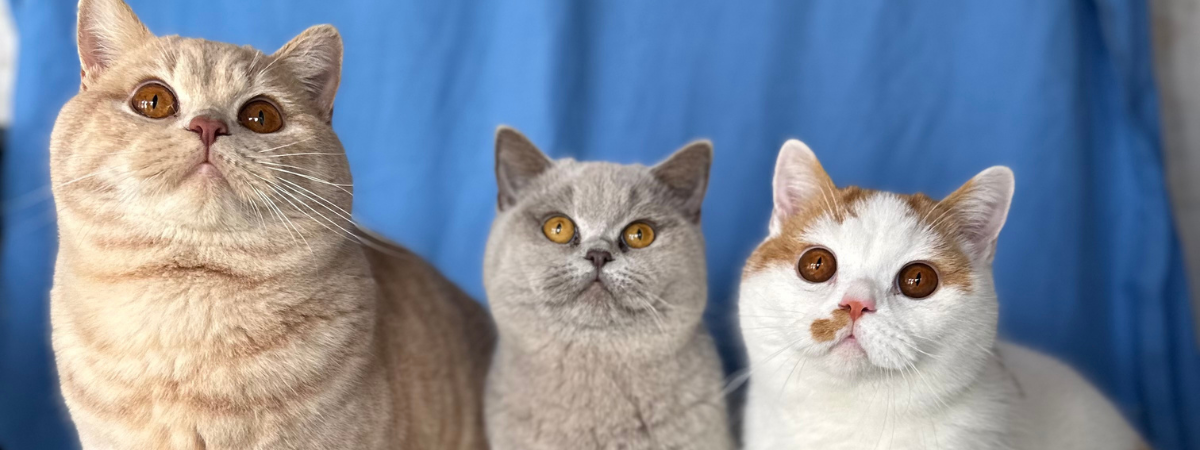
The British Shorthair is a compact, cobby cat with a broad chest, round head, and dense plush coat. Adults typically weigh between 4kg and 8kg, with males tending towards the heavier end. They look solid because they are — this is a muscular breed with considerable substance.
The Ragdoll is one of the largest domestic cat breeds. Adults weigh between 4.5kg and 9kg, though some males exceed this, and the breed takes up to four years to reach full maturity. The Ragdoll has a semi-longhaired coat, a soft and silky texture, and a pointed colour pattern — similar in appearance to a Birman or a colourpointed Persian. The two breeds are immediately distinguishable in person.
If coat maintenance is a consideration, this is where the comparison becomes decisive. The British Shorthair’s dense, short coat requires very little grooming — a brush once or twice a week during the moult is generally sufficient. The Ragdoll’s semi-long coat needs brushing two to three times per week to prevent matting, and more frequently during seasonal coat changes. Neither coat is difficult to manage with a consistent routine, but the Ragdoll is the more demanding of the two.
How They Differ in Temperament
This is the comparison that matters most for most buyers, and it is where the two breeds diverge quite significantly.
The British Shorthair is an affectionate cat, but on its own terms. It will be present in the room, interested in what you are doing, and content to sit beside you — but it is not a breed that demands constant physical contact. British Shorthairs are not typically lap cats. They are independent-minded, emotionally stable, and well-suited to a household where they are not expected to perform or follow people around. In my experience judging the breed at shows, this self-possession is one of the most consistent traits you see — they are calm under pressure in a way that many breeds are not.
The Ragdoll is considerably more people-oriented. It earns its name from its tendency to go limp when picked up, and it is a breed that will often follow its owner from room to room. Ragdolls are more openly affectionate and more likely to actively seek out physical contact. For a buyer who wants a cat that initiates cuddles, the Ragdoll typically delivers this more reliably than a British Shorthair.
Neither temperament is superior — they suit different households. A Ragdoll is a better match for someone who wants strong daily engagement with their cat. A British Shorthair is a better match for someone who values a calm, undemanding companion that does not require constant attention.
How They Compare on Health and Lifespan
Both breeds carry a risk of hypertrophic cardiomyopathy (HCM), a disease of the heart muscle that is the most significant hereditary health concern in pedigree cats. Responsible breeders in both breeds screen their cats using cardiac ultrasound. When buying either breed, ask for evidence of recent parental cardiac screening — this should be a standard part of the conversation with any reputable breeder.
The British Shorthair also has a historical association with polycystic kidney disease (PKD), though DNA testing has made it possible to breed PKD-free lines. Check that the parents of any kitten you are considering have been DNA tested clear.
Ragdolls have an additional noted risk of bladder stones (feline lower urinary tract disease is more common in the breed than in many others) and some lines carry susceptibility to feline infectious peritonitis (FIP). Hypertrophic cardiomyopathy remains the primary concern in the breed.
For lifespan, the British Shorthair typically lives between 14 and 20 years with good care. The Ragdoll’s expected lifespan is slightly shorter, typically between 12 and 17 years, though well-cared-for individuals regularly exceed this.
Both of these are full details your prospective breeder should be able to discuss openly. You can read more about what to check in our British Shorthair health and care guide.
How They Compare on Price
British Shorthair kittens from GCCF-registered breeders in the UK typically cost between £1,000 and £2,000, with rarer colours such as cinnamon, fawn, and lilac at the higher end of that range.
Ragdoll kittens from reputable breeders typically cost between £900 and £2,000 in the UK. The two breeds sit at a comparable price point, though as with any pedigree breed, the range reflects the breeder’s testing programme, registration status, and the specific lines involved. Extremely low prices in either breed should prompt caution rather than opportunity.
If you are comparing costs on a practical level, factor in the ongoing grooming time for a Ragdoll, and the fact that British Shorthairs — being more independent — often cope better if you work full-time and are out of the house for regular hours.
Which Breed Is Right for You?
For most buyers weighing these two breeds, the honest answer comes down to two questions.
Do you want a cat that actively seeks your company and physical contact? If yes, the Ragdoll is the more natural choice.
Do you want a calm, self-sufficient companion that is easy to live with, lower-maintenance to groom, and well-suited to a busy household? If yes, the British Shorthair is likely the better fit.
Both breeds adapt well to indoor life, both are well-suited to families with children, and both are better companions with another cat for company if their owners work full-time. The Ragdoll is more sensitive to changes in routine and more reliant on consistent human interaction. The British Shorthair is more resilient and less demanding in that regard.
As a breeder, I would also say this: both breeds deserve buyers who have done their research on health testing and who are buying from a registered, screened breeding programme. Neither breed is a straightforward purchase from any source. Our guide to buying a British Shorthair in the UK covers what to look for and what questions to ask.
You can find more breed comparisons in our breed comparisons guide.
Frequently Asked Questions
Are British Shorthairs or Ragdolls better for families? Both breeds suit family life well. The Ragdoll is more openly affectionate and tends to tolerate handling more readily, which can make it an easier fit with younger children. The British Shorthair is calmer and less reactive, which also suits family households. Either breed is a reasonable choice; the Ragdoll is typically more physically demonstrative.
Which is easier to groom — a British Shorthair or a Ragdoll? The British Shorthair is considerably easier to groom. Its dense, short coat needs brushing once or twice a week during moult periods and minimal attention otherwise. The Ragdoll’s semi-long coat needs brushing two to three times per week to stay in good condition and prevent tangles.
Do Ragdolls or British Shorthairs live longer? British Shorthairs typically have a longer expected lifespan, between 14 and 20 years. Ragdolls typically live between 12 and 17 years, though well-cared-for individuals in both breeds can exceed these ranges.
Are Ragdolls more affectionate than British Shorthairs? In general, yes. Ragdolls are known for actively seeking out human contact and following their owners around. British Shorthairs are affectionate but on their own terms — they will be present and engaged without necessarily initiating physical contact. Neither is cold or unfriendly, but the Ragdoll is more overtly people-dependent.
Which breed is more expensive — British Shorthair or Ragdoll? They are broadly comparable in price. Both typically cost between £900 and £2,000 from reputable GCCF-registered breeders in the UK. Rarer colours in British Shorthairs and show-quality lines in either breed will sit at the higher end.
Can a British Shorthair and a Ragdoll live together? Yes. Both breeds are generally sociable with other cats, and the two can coexist comfortably in the same household. As with any multi-cat introduction, the process should be managed gradually and carefully, regardless of breed.
Which breed is better if I am out at work all day? The British Shorthair is generally the more independent of the two and copes better with regular time alone. Ragdolls are more people-oriented and can be more prone to stress if left without company for long periods. Either breed benefits from a companion cat if their owner works full-time.
If you have decided that a British Shorthair is the right breed for you, our breeder directory lists GCCF-registered British Shorthair breeders across the UK. Find a reputable British Shorthair breeder.
