
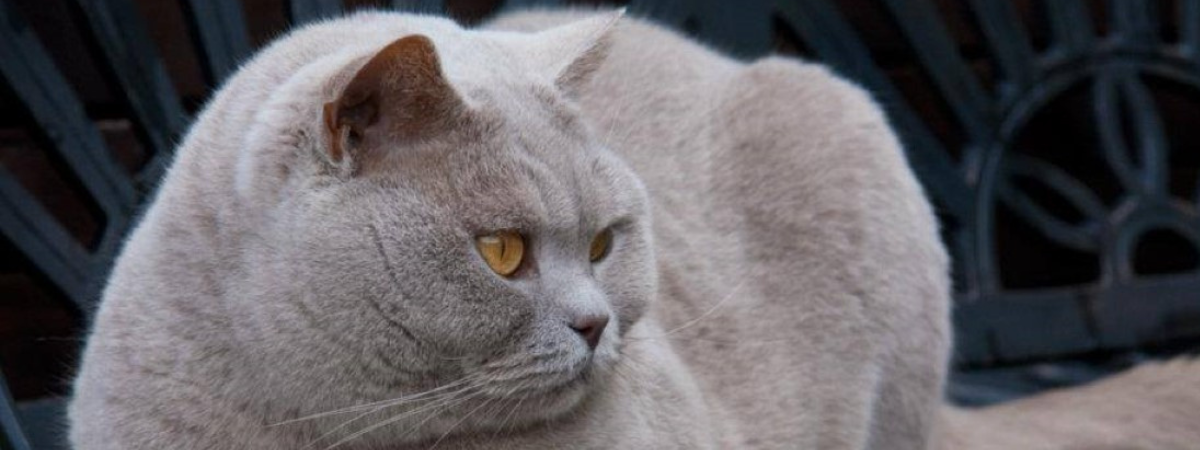
The lilac British Shorthair is one of the most elegant colour varieties in the breed — a soft, warm, pinkish-dove grey that is completely unlike the cooler blue-grey of the British Blue, and unlike any other British Shorthair colour. Buyers who discover lilac tend to fall for it quickly. It has a gentleness to it that suits the breed’s rounded, plush appearance particularly well.
It is also one of the rarer colours in the breed. Lilac requires a specific combination of two recessive genes, which means careful breeding planning, fewer breeders working with it, and — as a result — waiting lists. If you want a lilac British Shorthair, this guide will tell you exactly what you need to know to find one from the right source.
What Makes a British Shorthair Lilac?
Lilac is the dilute version of chocolate — and that double layer of genetics is exactly what makes it rare.
To produce a lilac coat, a cat must carry:
- Two copies of the chocolate gene (bb) — recessive to black, so both parents must carry it
- Two copies of the dilute gene (dd) — which lightens the chocolate to the characteristic soft dove-grey tone
Because both genes are recessive, both parents must carry both genes for lilac kittens to be possible. A cat can carry either or both genes without expressing them — a black or chocolate British Shorthair can be a lilac carrier without showing any visible sign of it. This is why DNA testing at both the B locus (black/chocolate/cinnamon) and the D locus (dense/dilute) is essential for responsible breeders working with these colours.
The result of this double dilution is the lilac coat: a warm, slightly pinkish, dove-grey tone with a subtle quality that is quite different from the cooler, more neutral blue-grey of a British Blue. In good lighting, the pink or mauve cast in the lilac coat is clearly visible. Under artificial light the two colours can look similar to the untrained eye — in daylight the difference is unmistakable.
What Does a Lilac British Shorthair Look Like?
Coat: The lilac coat should be an even, warm dove-grey with a pinkish or mauve cast throughout — sound from root to tip, with no tabby markings, white hairs, or uneven shading. The tone should be warm rather than cool. A lilac that reads as simply pale grey — without that characteristic warmth — is not showing the colour at its best.
Eyes: Deep orange or copper, large and round. The combination of warm lilac coat and vivid copper eyes is genuinely striking.
Body: The same compact, broad, muscular British Shorthair type. Plush, dense coat with the crisp, stand-off texture that defines the breed. Broad head with full cheeks and a strong, well-defined chin. Males typically weigh between 5 and 8 kg; females between 3.5 and 5.5 kg.
Lilac vs Blue: What Is the Difference?
This is the most common question buyers ask, and it is a fair one. Both colours are dilute versions of base pigments, and in poor photographs or under certain lighting they can look superficially similar. In person they are clearly different.
| Lilac | Blue | |
|---|---|---|
| Base colour | Dilute chocolate | Dilute black |
| Tone | Warm, pinkish, dove-grey | Cool, blue-grey |
| Undertone | Mauve or pink cast | No warm cast — neutral to cool |
| Rarity | Rare — recessive to black AND dilute | Common — most widely bred colour |
| Price | Higher — reflects rarity | Standard British Shorthair pricing |
The easiest way to distinguish them: look at the undertone. Blue is a clean, cool grey. Lilac has warmth — a distinctly pinkish or mauve quality that you can see most clearly in natural daylight.
Lilac British Shorthair Temperament
The lilac British Shorthair has exactly the same temperament as any other British Shorthair. Colour genetics do not affect character.
British Shorthairs are calm, steady, and quietly affectionate. They are not demanding, not excessively vocal, and not prone to anxiety or destructive behaviour. They enjoy human company but manage time alone reasonably well. They are reliable with children, tolerant of other cats and dogs, and adapt well to indoor life.
The lilac variety attracts buyers who appreciate refinement — and the personality matches the appearance well. A lilac British Shorthair is not a high-maintenance cat. It is a composed, comfortable presence that settles easily into most households.
For a full overview of the breed’s character and suitability for different households, see our British Shorthair personality guide.
Lilac British Shorthair Health
Health considerations for lilac British Shorthairs are the same as for the breed generally, with the same additional point that applies to all rare recessive colours: the genetic complexity of the breeding programme makes testing even more important.
Hypertrophic cardiomyopathy (HCM): Annual cardiac echo screening is standard practice for responsible breeders. Ask to see current, dated results for both parents.
Polycystic kidney disease (PKD): DNA test available; results should be clear for both parents.
B and D locus testing: Reputable lilac breeders test their cats at both the B locus (to confirm chocolate carrier or chocolate status) and the D locus (to confirm dilute carrier or dilute status). This is what makes intentional production of lilac possible. A breeder working with lilac who cannot show you genetic test results is not running the programme they should be.
For a full breakdown of inherited health conditions in the breed, see our British Shorthair health guide.
Buying a Lilac British Shorthair in the UK
Lilac British Shorthairs require patience to find from the right source. Good lilac breeders are not numerous, and the best of them operate with waiting lists — sometimes up to 12 months or more for a specific colour and sex combination.
What to look for:
- GCCF registration papers — the colour stated as lilac
- HCM cardiac echo results for both parents, current and dated
- PKD DNA test results — clear for both parents
- B and D locus genetic testing confirming the chocolate and dilute status of breeding cats
- Kittens raised in a home environment, well socialised from birth
- A breeder who can explain the genetics behind their programme and the bloodlines they use
Red flags:
- No GCCF papers, or papers offered “on request” rather than as standard
- No health testing documentation
- Photographs in which the cat looks more blue-grey than warm lilac — the two can look similar in photos, but a reputable breeder will have adult photographs in natural light
- A price far below the market rate
Price: Lilac British Shorthair kittens from reputable, health-tested, GCCF-registered breeders typically range from £1,000 to £1,800 in the UK. The rarity and breeding complexity justify the price. Significantly lower prices should prompt careful questioning.
To find GCCF-registered British Shorthair breeders in the UK, use our Find a Breeder directory.
Lilac British Shorthair FAQs
Is lilac the same as lavender in cats?
In some cat fancy associations outside the UK — particularly in North America — the colour referred to in the UK as lilac is called lavender. They are the same colour. The GCCF and UK breeders use lilac consistently.
How do I know if a British Shorthair is genuinely lilac and not just pale blue?
Ask for photographs in natural daylight. Lilac has a distinctly warm, pinkish-mauve quality; blue is cool and neutral. Ask to see GCCF registration papers confirming the colour as lilac, and ask for B and D locus DNA test results.
Are lilac British Shorthairs always female?
No — lilac can occur in both males and females. The lilac-cream and lilac tortoiseshell varieties are female-only (due to the sex-linked orange gene), but a solid lilac can be male or female.
Can two blue British Shorthairs produce a lilac kitten?
Yes — if both blue parents carry the chocolate gene (making them blue/chocolate carriers), there is a chance of lilac kittens. A blue cat is already dilute; if it also carries one copy of chocolate, pairing two such cats can produce chocolate, lilac, blue, and black kittens depending on which genes are inherited.
Do lilac British Shorthair kittens look lilac from birth?
Lilac kittens are recognisably different from blue at birth in good lighting, though the warm tone develops more clearly as the coat matures. Ghost tabby markings common in young kittens typically fade as the adult coat comes in.
Is a Lilac British Shorthair Right for You?
If you are drawn to subtle, refined beauty rather than bold contrast — and you are prepared for the patience that finding a well-bred lilac requires — this is a genuinely special cat. The temperament is everything the British Shorthair breed is known for: calm, affectionate, and easy to live with. The appearance adds something quieter and more unusual than the more common colours.
Do not rush the search. Choose a breeder who health-tests comprehensively, GCCF-registers their kittens as standard, and understands the genetics behind the colour they are producing. A lilac British Shorthair from that kind of breeder is worth every penny and every month of the wait.
Explore the full range of British Shorthair colours, or find a registered breeder through our Find a Breeder directory.